
The Allure of Gambling: Understanding Motivation
The psychology of gamblers is a complex interplay of various motivations that drive individuals to engage in gambling activities. One of the primary motivators is the thrill of risk-taking. Many gamblers are drawn to the adrenaline rush that comes from placing bets, as it creates a sense of excitement and unpredictability. In the realm of gaming, no kyc casinos can sometimes amplify this thrill, adding an extra layer of intrigue. This heightened emotional state can lead to a powerful urge to continue gambling, often disregarding the potential losses that may occur.
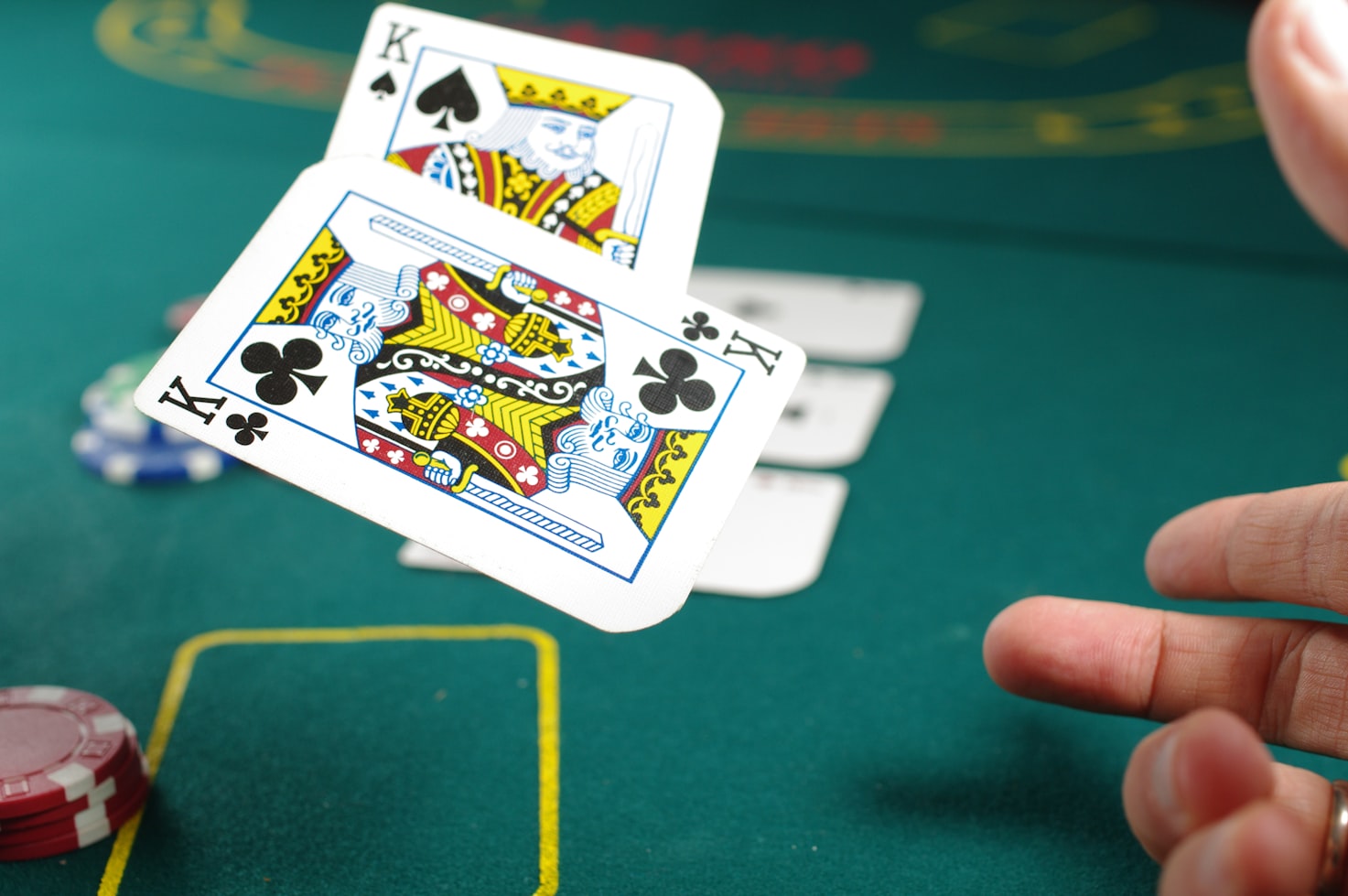
Additionally, the desire for social interaction plays a significant role in modern casinos. Many individuals visit these establishments not only to gamble but also to socialize and connect with others. The atmosphere of a bustling casino fosters camaraderie among players, creating a shared experience that enhances the enjoyment of the games. This social aspect can further reinforce a gambler’s commitment to the activity, as they find community and validation in their pursuits.
The Impact of Environment on Gambling Behavior
The design and ambiance of a casino significantly influence the behavior of gamblers. Modern casinos are meticulously designed to create an immersive experience that keeps players engaged for extended periods. Elements such as lighting, sound, and layout are strategically employed to evoke specific emotions and encourage continued play. For instance, the absence of clocks and windows can create a disorienting effect, leading players to lose track of time while they are deep in gameplay.
Moreover, the enticing nature of rewards, such as free drinks and loyalty programs, further compels individuals to stay and gamble longer. These incentives cater to the psychological craving for immediate gratification, leading to the phenomenon known as “loss aversion,” where gamblers are more likely to take risks to recover their losses rather than walk away. Understanding how environmental factors contribute to gambling behavior can help shed light on why individuals may find it challenging to leave the casino.
Addiction and Compulsive Gambling: Recognizing the Signs
The fine line between recreational gambling and addiction can sometimes blur, making it essential to recognize the psychological signs of compulsive gambling. Individuals may initially engage in gambling for entertainment purposes; however, as their involvement deepens, they might start to experience negative emotional states such as anxiety and depression when not gambling. This behavioral shift can lead to a compulsion to play beyond their means, often resulting in financial, emotional, and relational turmoil.
Cognitive distortions, such as the “gambler’s fallacy,” also play a role in the psychology of addicted gamblers. This is the belief that past outcomes can predict future results, leading individuals to chase losses in hopes of a big win. Recognizing these psychological patterns is crucial for those who might be struggling with gambling addiction, as it can provide the first steps towards seeking help and making healthier choices.
The Role of Technology in Modern Gambling
The evolution of technology has profoundly transformed the gambling landscape, making it more accessible and appealing. Online casinos and mobile gaming applications allow individuals to gamble from the comfort of their homes or on the go. This convenience, combined with the design of digital platforms, often mirrors the immersive experiences found in physical casinos, appealing to the same psychological triggers.
Additionally, technology introduces elements like gamification and social features that enhance engagement, making gambling even more enticing. Features such as leaderboards, challenges, and instant bonuses keep players motivated to participate continuously. While these advancements can lead to more enjoyable experiences, they also raise concerns about increased risks of addiction, as the barriers to gambling have significantly diminished.

Protecting Your Gambling Behavior and Finding Support
Understanding the psychology of gambling is crucial for maintaining a healthy relationship with gambling activities. Individuals should reflect on their motivations and recognize when their behavior may be shifting towards harmful patterns. Seeking support through counseling or therapy can provide valuable strategies for managing gambling habits and addressing any underlying psychological issues.
Additionally, organizations that promote responsible gambling can offer resources and help individuals understand their behaviors better. By fostering an awareness of the psychological factors at play, individuals can make informed decisions about their gambling activities and seek help when necessary.